Purchase securely
Complete checkout with your customer account so access stays linked to you.

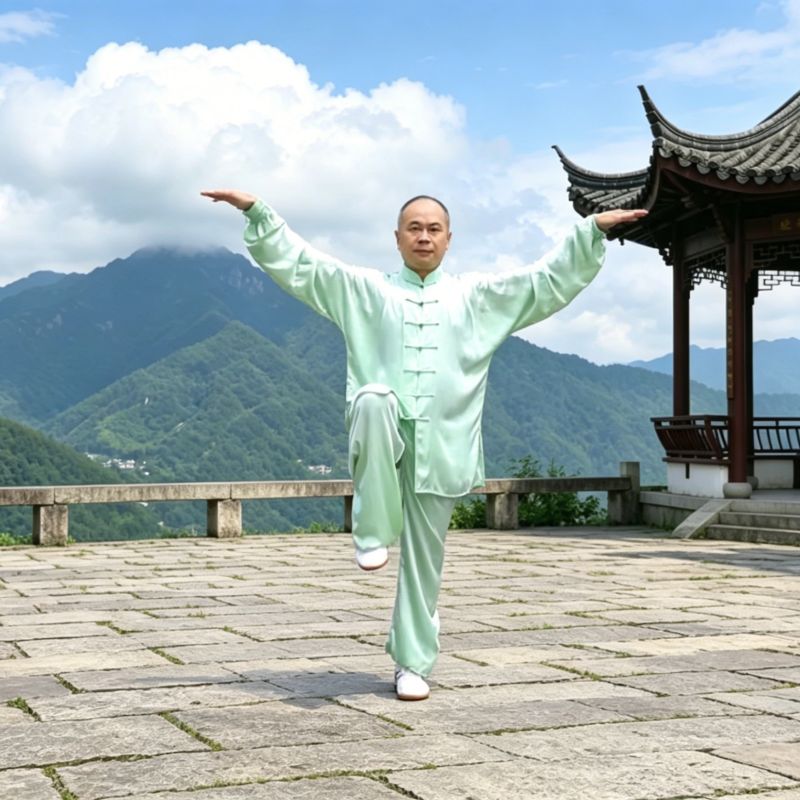
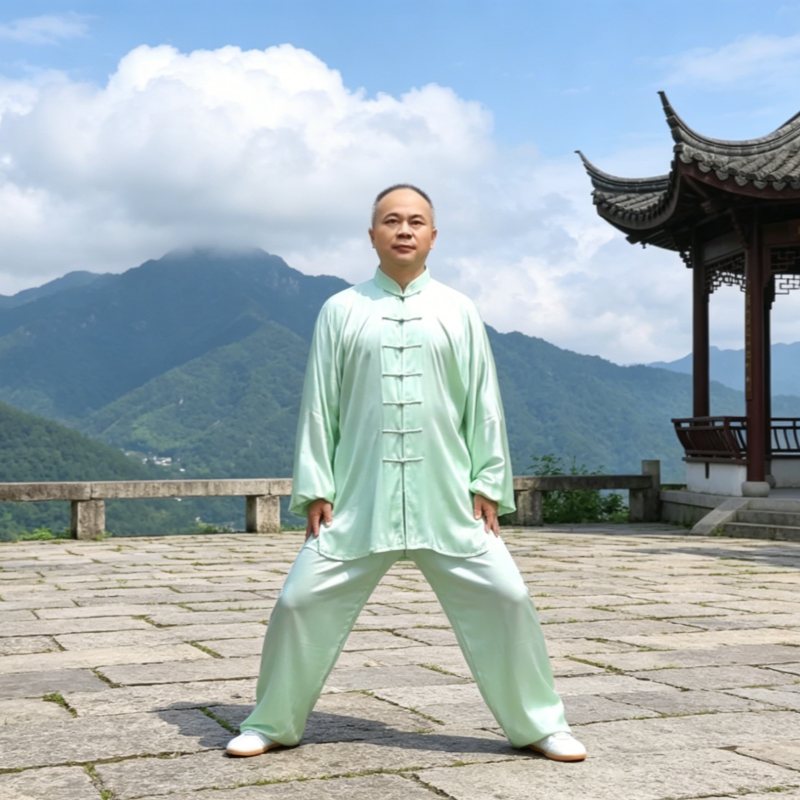
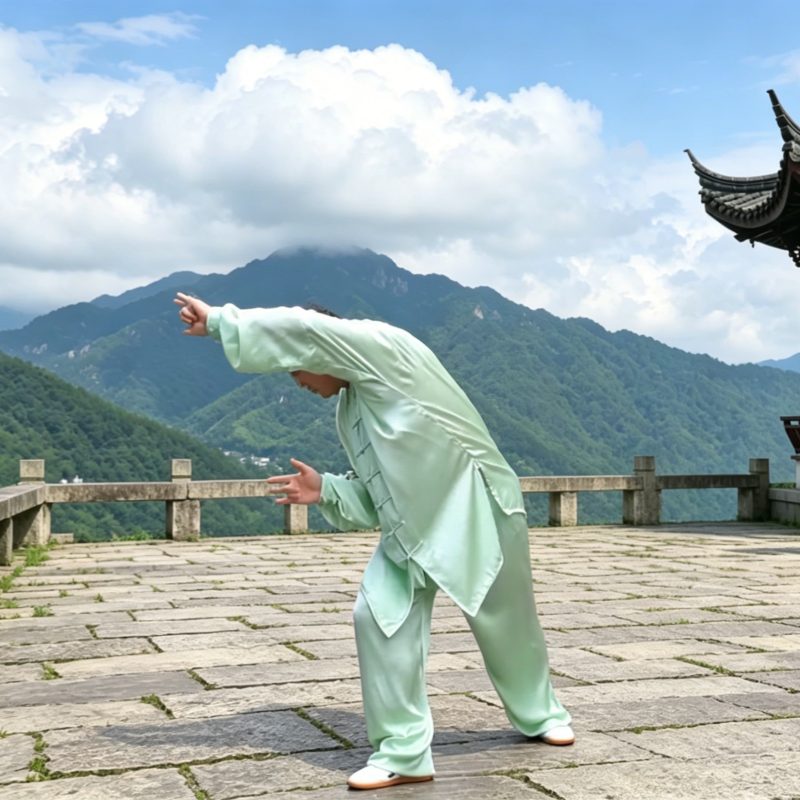
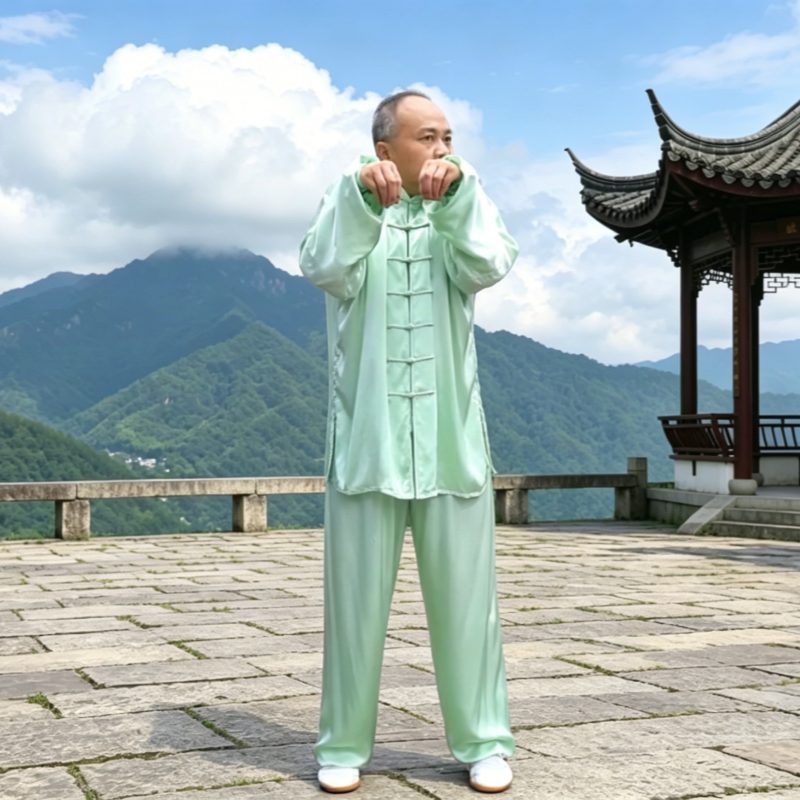
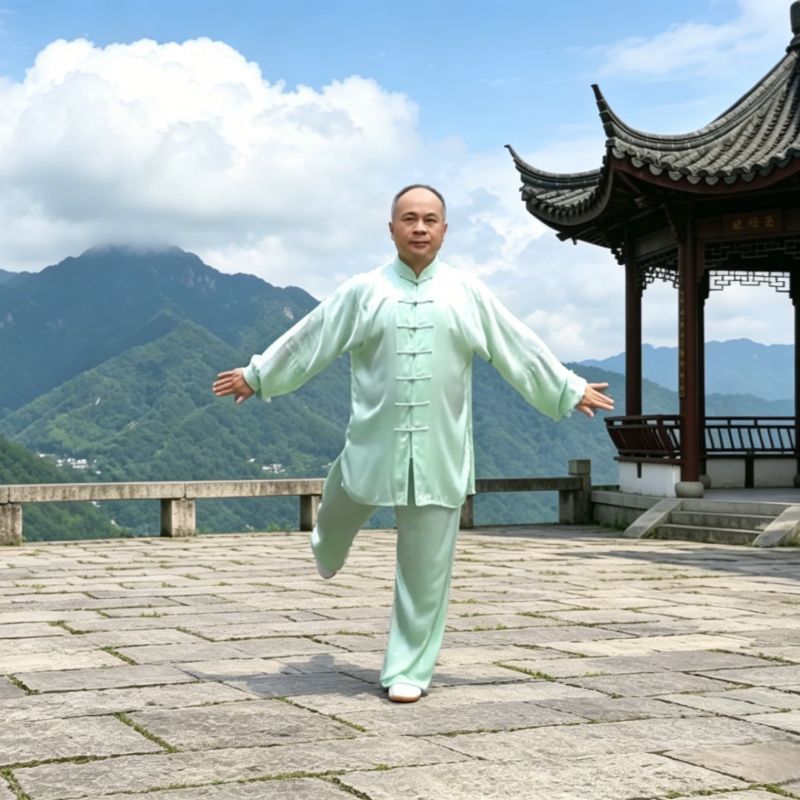
Learn the Five-Animal Exercises to Cultivate Vitality, Spirit, and Energy.
Original price was: $39.90.$9.90Current price is: $9.90.
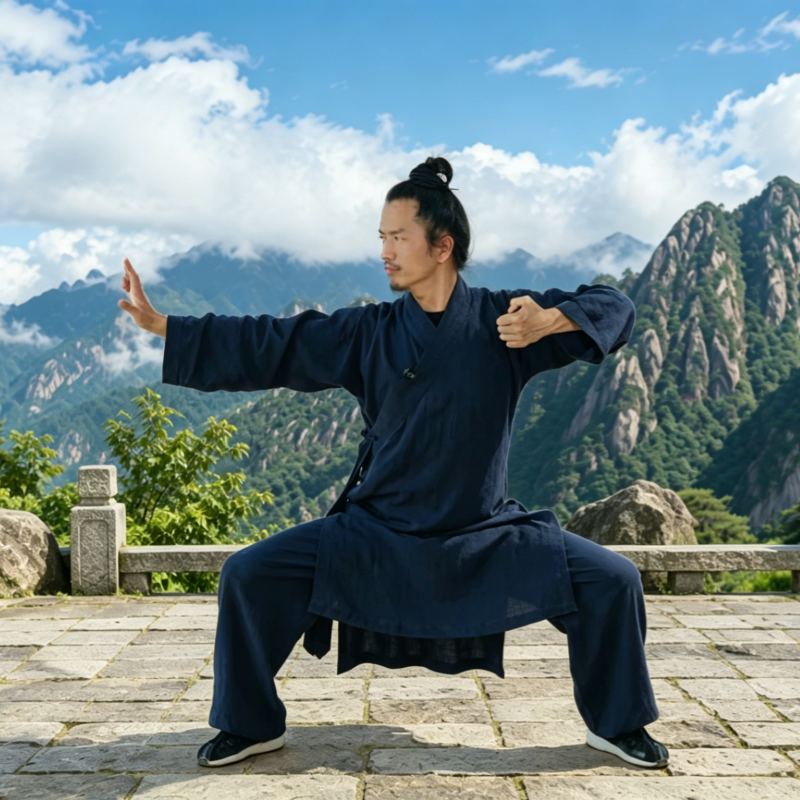
Learn Wudang Tai Chi and Qigong — passed down through generations. You're not just learning movements; you're inheriting a living tradition.
We are not "a single teacher teaching all the courses". Each martial art exercise is taught by experts in that field themselves. We handpick the true specialist from each "circle" — so you learn from the right person for the right practice.
Each movement in our courses is accompanied by clear verbal cuesor explanations. And each course is suitable for beginners to learn. You don't have to worry about not being able to learn or falling behind. Even if you are a beginner, with repeated practice, you can master this art.
Follow the course in order, practise within your ability, and return to each lesson whenever you need a refresher.
Complete checkout with your customer account so access stays linked to you.
Find your order and available digital materials in one convenient place.
Learn at a comfortable pace and repeat key movements as often as needed.
This course provides educational movement instruction and is not medical treatment. Consult a qualified professional if you have medical concerns.
Based on TCM’s “Five Elements” and meridian theory, Wu Qin Xi imitates the movements and spirit of tiger, deer, bear, monkey, and crane to activate organ functions, stimulate qi flow, and strengthen the body from within. Each form corresponds to different internal systems, helping restore vitality and regulate physical-mental balance.
1.Complete Version of Wu Qin Xi for Follow-Along Practice-14mins
2.Detailed Explanation of the 10 Movements in Wu Qin Xi Respectively-2〜3mins(10 Total)
Who is this suitable for?
If you find Ba Duan Jin (Eight Brocades) or Tai Chi “too slow” or “too boring,” the “biomimetic” nature of the Five-Animal Exercises (Wu Qin Xi) offers a refreshing change of pace. Mimicking the ferocity of a tiger, the agility of an ape, or the sturdy nature of a bear is, in itself, a form of relaxation and entertainment—making it particularly appealing to young people who may hold “stereotypical views” regarding traditional health-preserving practices.
The greatest advantage of the Five-Animal Exercises lies in their “precise targeting.” Based on your specific physical condition, you can focus your practice on a particular “animal play”:
Soreness and weakness in the lower back and knees, aversion to cold, osteoporosis → Focus on the *Tiger Play* (Strengthens the Kidneys)
Dry eyes, stiff tendons and ligaments, low mood/depression → Focus on the *Deer Play* (Soothes the Liver)
Indigestion, abdominal bloating, constipation, physical weakness, fatigue → Focus on the *Bear Play* (Invigorates the Spleen)
Palpitations, insomnia, memory decline, emotional instability → Focus on the *Ape Play* (Nourishes the Heart)
Shortness of breath, coughing, low immunity, poor balance → Focus on the *Bird Play* (Regulates the Lungs)
The imitative nature of the Five-Animal Exercises naturally appeals to children. Many schools have already incorporated Wu Qin Xi into their physical education classes or morning exercise routines; it serves to enhance physical coordination while simultaneously cultivating focus and imagination. For children exhibiting tendencies toward ADHD or sensory integration dysfunction, Wu Qin Xi also offers positive therapeutic support.
4.Those with sedentary office jobs or discomfort in the shoulders, neck, or lower back
Within the Five-Animal Exercises, the *Deer Play* (which stretches the spine), the *Bear Play* (which mobilizes the waist and abdomen), and the *Ape Play* (which increases flexibility in the wrists, shoulders, and back) are all effective in relieving the stiffness and tension caused by prolonged sitting. Performing the complete routine ensures that both the spine and the limbs receive thorough movement and activation.
What benefits will you receive?
1.Targeted Physical Improvements
Strengthening the Kidneys and Consolidating the Foundation (The Tiger Play)
The “Tiger Lift” and “Tiger Pounce” movements of the Tiger Play—executed through the flexion, extension, and forceful exertion of the spine—effectively exercise the muscles of the lower back and the kidney region. Traditional Chinese Medicine (TCM) posits that “the kidneys govern the bones”; thus, long-term practice yields significant results in alleviating lower back and knee weakness, enhancing bone density, and boosting vitality.
Relaxing Tendons and Unblocking Meridians (The Deer Play)
The movements of the Deer Play primarily involve stretching and twisting, thoroughly mobilizing the spine and the joints of the limbs. For individuals suffering from shoulder and neck stiffness, lower back pain, or restricted joint mobility, the Deer Play serves as an excellent form of “flexibility training.” Furthermore, as TCM states that “the liver governs the tendons,” the Deer Play also aids in nourishing the liver and improving eyesight.
Strengthening the Spleen and Harmonizing the Stomach (The Bear Play)
The core movement of the Bear Play is the “Bear Stroll”—a circular rotation centered on the waist and abdomen that provides a gentle massage to the spleen, stomach, and intestines. This proves remarkably effective for those suffering from indigestion, abdominal bloating, constipation, loss of appetite, physical weakness, and fatigue. Many practitioners report that, after consistently practicing the Bear Play, their appetite improves and their bowel movements become more regular.
Nourishing the Heart and Calming the Spirit (The Ape Play)
The Ape Play emphasizes “agility” and “alertness”; through the flexible rotation of the wrists and the rapid extension and contraction of the body, it stimulates the vitality of the heart. Additionally, movements such as “Picking Fruit” and “Gazing at the Scenery” require a high degree of concentration and a joyful mindset, thereby aiding in the alleviation of anxiety, the improvement of sleep quality, and the enhancement of memory.
Regulating Qi and Benefiting the Lungs (The Bird Play)
The Bird Play mimics the flight of a white crane, featuring arm movements that open and close in coordination with deep, prolonged breathing; it serves as an excellent form of cardiovascular and pulmonary training. It increases lung capacity and helps alleviate symptoms of *Qi* deficiency in the lungs—such as shortness of breath, coughing, and susceptibility to colds. Moreover, the single-leg standing postures within the Bird Play provide excellent balance training, playing a positive role in preventing falls among middle-aged and elderly individuals.
Harmonizing the Five Internal Organs for Holistic Balance
While each of the five exercise sequences corresponds to a specific internal organ, practicing the complete set fosters a virtuous interplay among all five. For instance, the Kidney (Tiger) nourishes the Liver (Deer); the Liver (Deer) nourishes the Heart (Ape); the Heart (Ape) nourishes the Spleen (Bear); the Spleen (Bear) nourishes the Lung (Bird); and the Lung (Bird) nourishes the Kidney (Tiger)—thereby completing a full, harmonious cycle of the Five Elements.
Improving Coordination and Balance
Specifically, the Ape sequence (emphasizing agility), the Bird sequence (emphasizing balance), and the Deer sequence (emphasizing extension) work comprehensively to enhance the body’s coordination, flexibility, and equilibrium. This offers long-term value for middle-aged and elderly individuals in preventing falls, for adolescents in developing their athletic capabilities, and for people of all ages in improving their overall quality of life.
1.Do not practice Wuqinxi on an empty stomach.
2. Try to practice in an environment with fresh air, which helps improve concentration.
3. When practicing Wuqinxi, you should relax your whole body—this means not only relaxing all the muscles in your body but also learning to relax your nerves.
4. Beginners only need to make the movements smooth at first, adopt natural breathing, and progress step by step.
| Five Animals | Deer | Ape | Bear | Bird | Tiger |
| Five Zang-Organs | Kidney | Heart | Spleen | Lung | Liver |
| Five Elements | Water | Fire | Earth | Metal | Wood |
We want you to be 100% satisfied with your purchase. Items can be returned or exchanged within 30 days of delivery.
7-Day Satisfaction Guarantee We offer a 7-day money-back guarantee for all digital courses. If you’re not satisfied with the content quality, contact us within 7 days of purchase for a full refund.
Conditions: – Must not have downloaded more than 30% of course videos – Refund request via email to info@vitalfeng.com – Processing time: 3-5 business days”
Explore more from Wellness Course, selected from the same collection.
Ellen –
I was recommended this Five-Animal Qigong course by friends around me. The instructor breaks down every move imitating the tiger, deer, bear, monkey, and bird in a clear and thorough way, so beginners can follow along with zero effort.
After practicing for a while, my body no longer feels stiff. A ten-minute session after getting home from work chases away all my fatigue, and I’ve felt a noticeable boost in my energy and vitality. Now I’ve even got my whole family joining me in the practice!
Avery –
After practicing Wuqinxi for a month, I not only feel physically refreshed, but also mentally calm! Imitating the movements of animals is such a fun experience—after each session, my irritability fades away and my insomnia has improved significantly. This slow-paced wellness practice is absolutely amazing!