
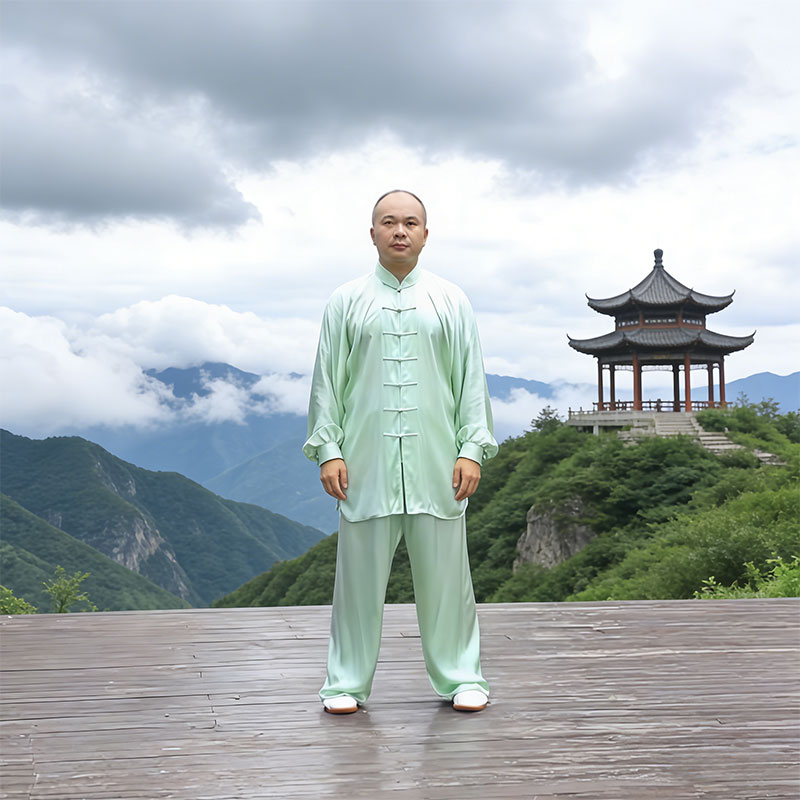
Wu Qin Xi Course
Guide Qi with form; move the body with Qi
Original price was: $39.90.$29.90Current price is: $29.90.
Theoretical Basis
Based on TCM’s “Five Elements” and meridian theory, Wu Qin Xi imitates the movements and spirit of tiger, deer, bear, monkey, and crane to activate organ functions, stimulate qi flow, and strengthen the body from within. Each form corresponds to different internal systems, helping restore vitality and regulate physical-mental balance.
The Course is including:
1.Complete Version of Wu Qin Xi for Follow-Along Practice-14mins
- Front View、Back View、Side View Demonstration
- Detailed Explanation of Movements
- Detailed Tutorials-5 Plays, 10 Movements
- Chinese Subtitles and English Subtitles, English Voice
2.Detailed Explanation of the 10 Movements in Wu Qin Xi Respectively-2〜3mins(10 Total)
- Detailed Commands and Breathing Guidance
- Detailed Tutorials-5 Animals, 10 Movements
- Chinese Subtitles and English Subtitles, English Voice
The Benefits of Practice Wu Qin Xi:
1.Strengthen muscles and bones, soothe the liver and relieve stagnation
- Stretch the spine and the tendons of the limbs, and enhance the strength of the waist and legs
- When exerting force, sink the qi to the dantian, which can soothe the liver, relieve stagnation, and alleviate emotional depression and irritability
- Promote the circulation of qi and blood to the extremities, and improve cold hands and feet
2.Stretch the muscles and meridians, tonify the kidney and replenish essence
- Stretch the muscles and meridians of the waist, back and lower limbs to improve waist and back stiffness caused by prolonged sitting.
- Gentle limb stretching can tonify kidney essence, alleviate soreness and weakness of the waist and knees as well as lack of energy.
- It promotes pelvic blood circulation, and has an auxiliary effect on regulating menstruation in women and improving prostate function in men.
3.Strengthen the spleen and stomach, and enhance physical strength
- Massage the abdominal visceral organs (spleen, stomach, intestines), promote the transportation and transformation functions of the spleen and stomach, and improve indigestion, abdominal distension and loose stools
- Enhance the strength of the waist and abdomen muscles
- The movements are steady and slow, which can regulate the mind and relieve anxiety.
4.Be flexible and agile, nourish the heart and calm the mind
- Standing on tiptoes and lifting the body promotes blood circulation throughout the body and enhances the heart’s pumping function.
- The light and varied movements can train the flexibility of the nervous system and relieve mental tension, insomnia and frequent dreams.
- The finger grasping movements can stimulate the meridians in the hands (such as the Pericardium Meridian and the Heart Meridian), helping regulate heart rate and improve palpitations and chest tightness.
5.Spread the wings and lift the body, tonify the lung and replenish qi
- Expand the chest cavity to increase vital capacity and improve shallow breathing.
- Stretching of the upper limbs drives the ascent and flow of qi throughout the body, relieving cough and chest tightness caused by stagnation of lung qi.
- The light and delicate movements can promote the circulation of qi and blood in the skin and hair, improve dry and itchy skin, and enhance the body’s resistance
Here are some common questions about Wu Qin Xi practice:
1.When is the best time to practice Wuqinxi?
Answer:
- You can choose different time periods according to your own schedule. Morning, noon, or whenever you are in a good mood are all ideal times.
- However, do not practice it right before bedtime. Wuqinxi is an excellent way to stretch the muscles and tendons and promote blood circulation. If practiced at night, it will energize the body and mind, which may disrupt your sleep quality.
2.How many times a day do I need to practice Wuqinxi?
Answer:
- There is no limit to how many times you can practice Wuqinxi a day
- You should practice it at least twice a week, and you can also practice a specific set of movements in a targeted way. For example, if you suffer from indigestion, you can practice the Bear Play alone for five rounds.
3.Is it better to practice in the morning or in the evening?
Answer:
- It is best to practice Wuqinxi in the morning. After a whole night’s sleep, the blood, muscles and tendons of the human body all need to be activated.
- It is recommended to practice between 5 and 10 o’clock in the morning.
4.Why do I feel sore all over after practicing?
Answer:
- Wuqinxi usually has few side effects. However, if you are in a relatively weak physical condition, you may easily experience body soreness when you first start practicing.
- As long as you keep practicing consistently, these uncomfortable symptoms will naturally disappear.
5.How to regulate breathing during practice?
- Answer:
- When practicing, you should first relax your whole body and maintain a relaxed and optimistic mood. A relaxed and optimistic mood can smooth the flow of qi and blood, while full-body relaxation can prevent movements from being overly stiff and tense.
- Pay attention to keeping your breathing calm and natural. Adopt abdominal breathing, and make it even, gentle and steady.
- When breathing, keep your mouth closed, with the tip of your tongue gently touching the roof of your mouth. Inhale through your nose and exhale through your mouth.
- It should be noted that the slow, even and prolonged abdominal breathing can only be acquired through long-term practice. Blindly pursuing it will instead disturb your mind and unsettle your spirit.
- Correct breathing helps inhale fresh qi, expel stagnant qi, enhance gas exchange, and unblock the meridians.
Precautions for Wu Qin Xi Practice:
1.Do not practice Wuqinxi on an empty stomach.
2. Do not take a bath immediately after practicing, especially a cold bath.
3. Try to practice in an environment with fresh air, which helps improve concentration.
4. When practicing Wuqinxi, you should relax your whole body—this means not only relaxing all the muscles in your body but also learning to relax your nerves.
5. During the practice of Wuqinxi, you must eliminate distracting thoughts. It is best to focus your mind on the lower abdomen below the navel to achieve the effect of upper emptiness and lower solidity.
6. Beginners only need to make the movements smooth at first, adopt natural breathing, and progress step by step.
Features of the Wu Qin Xi Practice:
- It imitates the movements and demeanors of five animals: the tiger, the deer, the bear, the ape, and the bird. Its movements combine hardness with softness and motion with stillness, boasting a unique style.
| Five Animals | Deer | Ape | Bear | Bird | Tiger |
| Five Zang-Organs | Kidney | Heart | Spleen | Lung | Liver |
| Five Elements | Water | Fire | Earth | Metal | Wood |
Who It’s For
-
Individuals seeking a natural, qi-enhancing exercise
-
Anyone experiencing fatigue or low vitality
-
Office workers needing mobility and tension relief
-
Middle-aged practitioners improving flexibility & circulation
-
Wellness enthusiasts interested in classical Qigong
-
Beginners looking for a simple, effective health practice
Course Features
-
Dynamic, intuitive movements inspired by nature
-
Enhances organ vitality & supports healthy qi circulation
-
Improves flexibility, balance, and core strength
-
Regulates liver, spleen, and kidney energy through form-specific actions
-
Helps release emotional tension and refresh the mind
-
Strengthens overall wellness with minimal physical pressure
Services
-
After purchasing the course, please leave your email address, and we will send the course to you via email
-
Course-related questions answered via WhatsApp
-
Ship within 48 hours
2 reviews for Wu Qin Xi Course
Shipping cost is based on weight. Just add products to your cart and use the Shipping Calculator to see the shipping price.
We want you to be 100% satisfied with your purchase. Items can be returned or exchanged within 30 days of delivery.
Digital products are non-refundable, but please reach out if you have issues with your order.
Ellen –
I was recommended this Five-Animal Qigong course by friends around me. The instructor breaks down every move imitating the tiger, deer, bear, monkey, and bird in a clear and thorough way, so beginners can follow along with zero effort.
After practicing for a while, my body no longer feels stiff. A ten-minute session after getting home from work chases away all my fatigue, and I’ve felt a noticeable boost in my energy and vitality. Now I’ve even got my whole family joining me in the practice!
Avery –
After practicing Wuqinxi for a month, I not only feel physically refreshed, but also mentally calm! Imitating the movements of animals is such a fun experience—after each session, my irritability fades away and my insomnia has improved significantly. This slow-paced wellness practice is absolutely amazing!