Purchase securely
Complete checkout with your customer account so access stays linked to you.




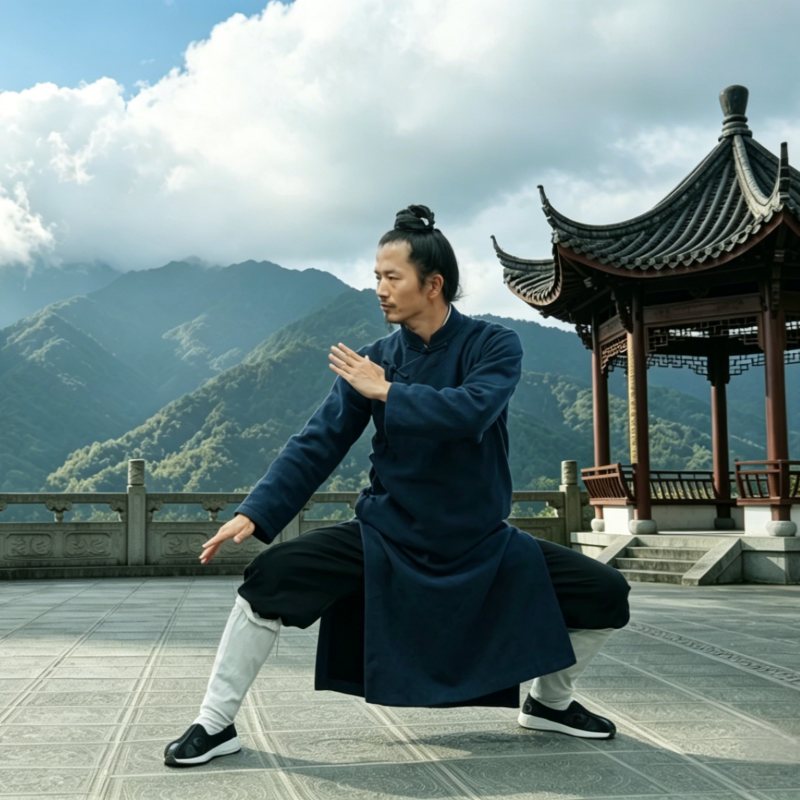
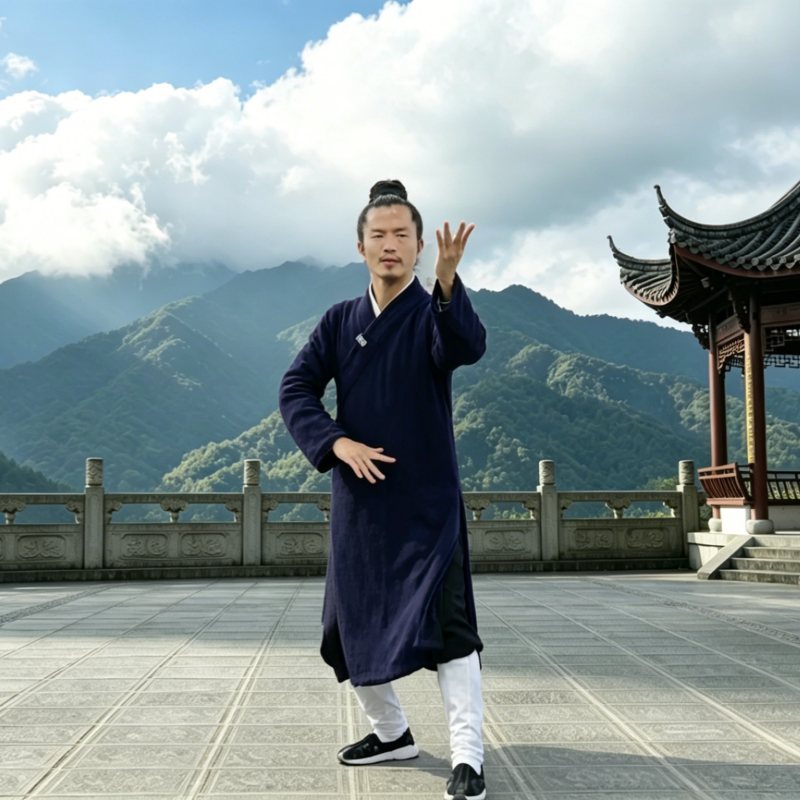
Tai Chi Complete Course – 13 Postures with Video Tutorials
Original price was: $49.00.$9.90Current price is: $9.90.
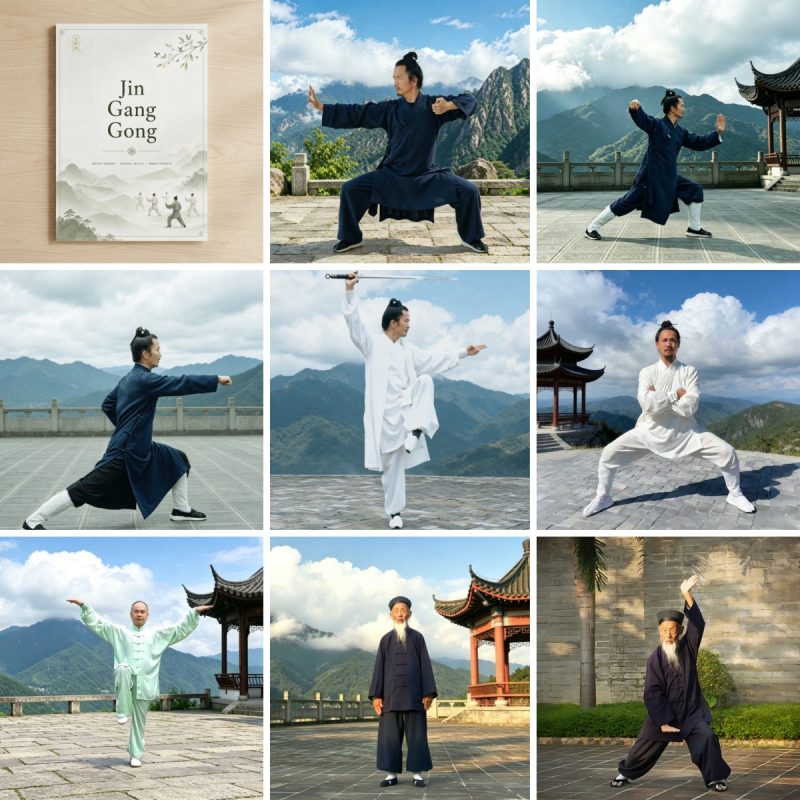
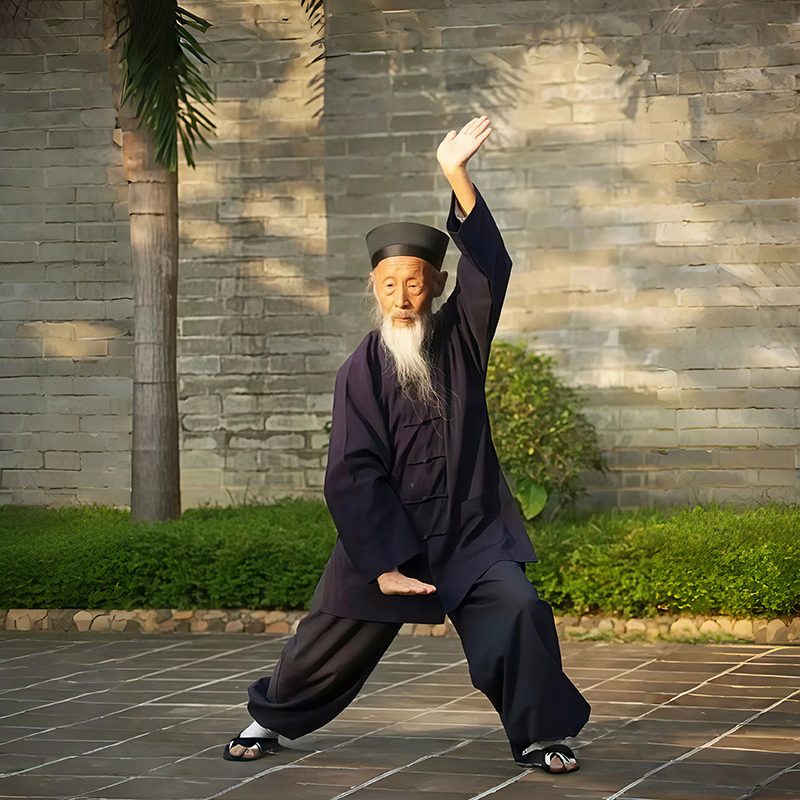
Learn Wudang Tai Chi and Qigong — passed down through generations. You're not just learning movements; you're inheriting a living tradition.
We are not "a single teacher teaching all the courses". Each martial art exercise is taught by experts in that field themselves. We handpick the true specialist from each "circle" — so you learn from the right person for the right practice.
Each movement in our courses is accompanied by clear verbal cuesor explanations. And each course is suitable for beginners to learn. You don't have to worry about not being able to learn or falling behind. Even if you are a beginner, with repeated practice, you can master this art.
Follow the course in order, practise within your ability, and return to each lesson whenever you need a refresher.
Complete checkout with your customer account so access stays linked to you.
Find your order and available digital materials in one convenient place.
Learn at a comfortable pace and repeat key movements as often as needed.
This course provides educational movement instruction and is not medical treatment. Consult a qualified professional if you have medical concerns.
Learn Tai Chi online with 13-posture complete training videos. Theory based on TCM Yin-Yang balance. English subtitles & voice. Suitable for beginners. Start your wellness journey today!
Learn Authentic Tai Chi Step by Step — From Home, at Your Own Pace
A complete beginner-friendly Tai Chi course with clear, step-by-step instruction. Learn all 13 postures with English voice guidance and subtitles, and practice anytime with lifetime access.
✓ 11 Step-by-Step Video Lessons
✓ Complete 13-Posture Tai Chi System
✓ English Voice & English Subtitles
✓ Beginner Friendly — No Experience Required
✓ Learn Anytime, Anywhere
✓ Lifetime Course Access
✓ 7-Day Money-Back Guarantee
[ START LEARNING TAI CHI ]
Instant access after purchase · One-time payment · No subscription
Not sure if this course is right for you? Watch a sample lesson first.
Watch a Free Preview ↑
See the instructor, teaching style, English guidance, and movement explanations before you buy.
By the end of the course, you’ll have learned a complete 13-posture Tai Chi sequence and understand how to practice it independently.
01 — Learn the Movements
Clear demonstrations of each posture so you can see exactly how every movement is performed.
02 — Follow Step by Step
Learn the details of each posture, including body position, movement transitions, balance, and coordination.
03 — Connect the 13 Postures
Progress from individual movements to a complete flowing Tai Chi sequence.
04 — Practice on Your Own
Use the course anytime to review movements and build a consistent Tai Chi practice at your own pace.
Never practiced Tai Chi before? That’s okay.
You don’t need previous Tai Chi experience, special equipment, or advanced flexibility.
This course is designed for:
✓ Complete beginners
✓ Adults who prefer gentle, mindful movement
✓ People interested in traditional Chinese wellness practices
✓ Anyone who wants to learn Tai Chi at home
✓ Existing practitioners who want to review the fundamentals
Learn at your own pace. Pause, replay, and repeat each lesson whenever you need.
11 Video Lessons
Detailed step-by-step instruction covering the complete course.
13 Tai Chi Postures
Learn each posture individually before connecting them into a complete sequence.
English Voice Guidance
Follow the lessons without needing to understand Chinese.
English & Chinese Subtitles
Clear subtitles make movement details easier to understand.
Lifetime Access
Return to the lessons whenever you want. There is no monthly subscription.
1. Purchase the Course
Complete your one-time payment securely online.
↓
2. Get Instant Access
After payment, you’ll receive access instructions for your course.
↓
3. Start Learning
Watch the lessons on your phone, tablet, or computer.
↓
4. Practice at Your Own Pace
Pause, replay, and return whenever you need.
↓
5. Keep It for Life
Your course includes lifetime access.
Tai Chi is not about learning everything in one day.
Start with one movement. Practice it slowly. Then move on to the next.
With lifetime access, you can revisit every lesson as often as you need and build your practice gradually.
No gym. No fixed schedule. No subscription.
Just practice whenever and wherever it works for you.
We want you to feel confident trying the course.
If you’re not satisfied with the course, contact us within 7 days of purchase in accordance with our refund policy.
✓ 11 Video Lessons
✓ 13 Tai Chi Postures
✓ English Voice & Subtitles
✓ Beginner Friendly
✓ Lifetime Access
✓ 7-Day Money-Back Guarantee
Instant access · One-time payment · No subscription
Is this course suitable for complete beginners?
Yes. The course is designed to guide beginners through the movements step by step. No previous Tai Chi experience is required.
How many lessons are included?
The course includes 11 instructional videos covering 13 Tai Chi postures.
Is the course taught in English?
The lessons include English voice guidance and English subtitles, as well as Chinese subtitles.
How long do I have access?
You receive lifetime access, so you can learn and review the lessons at your own pace.
Do I need special equipment?
No special equipment is required. Wear comfortable clothing and practice in a safe space where you have enough room to move.
Can I watch the course on my phone?
Yes. You can access the course from compatible phones, tablets, and computers.
What happens after I purchase?
After successful payment, you’ll receive instructions for accessing your course so you can begin learning.
Is there a money-back gu
We want you to be 100% satisfied with your purchase. Items can be returned or exchanged within 30 days of delivery.
7-Day Satisfaction Guarantee We offer a 7-day money-back guarantee for all digital courses. If you’re not satisfied with the content quality, contact us within 7 days of purchase for a full refund.
Conditions: – Must not have downloaded more than 30% of course videos – Refund request via email to info@vitalfeng.com – Processing time: 3-5 business days”
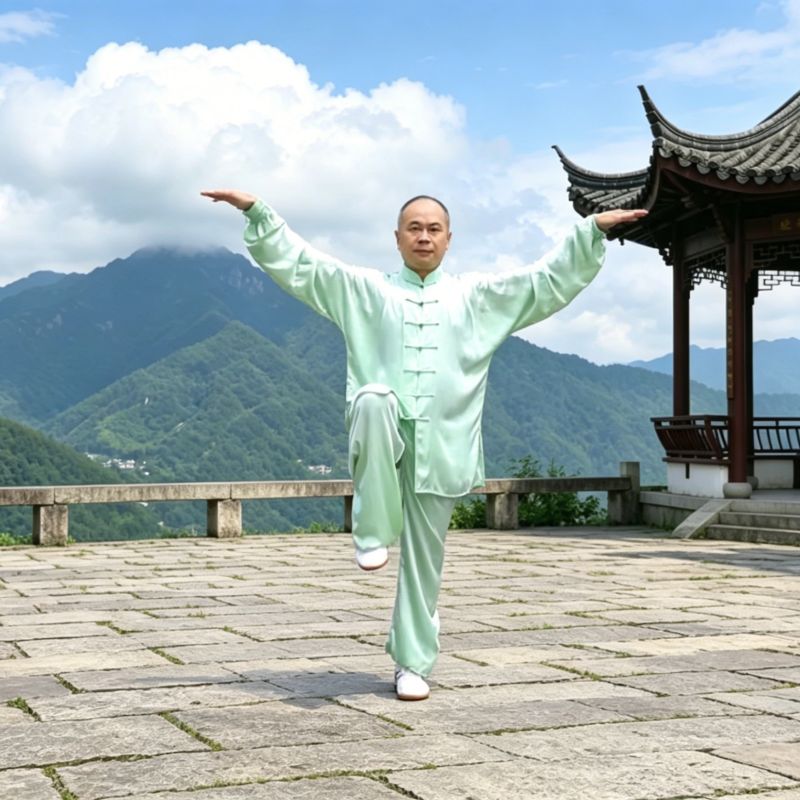
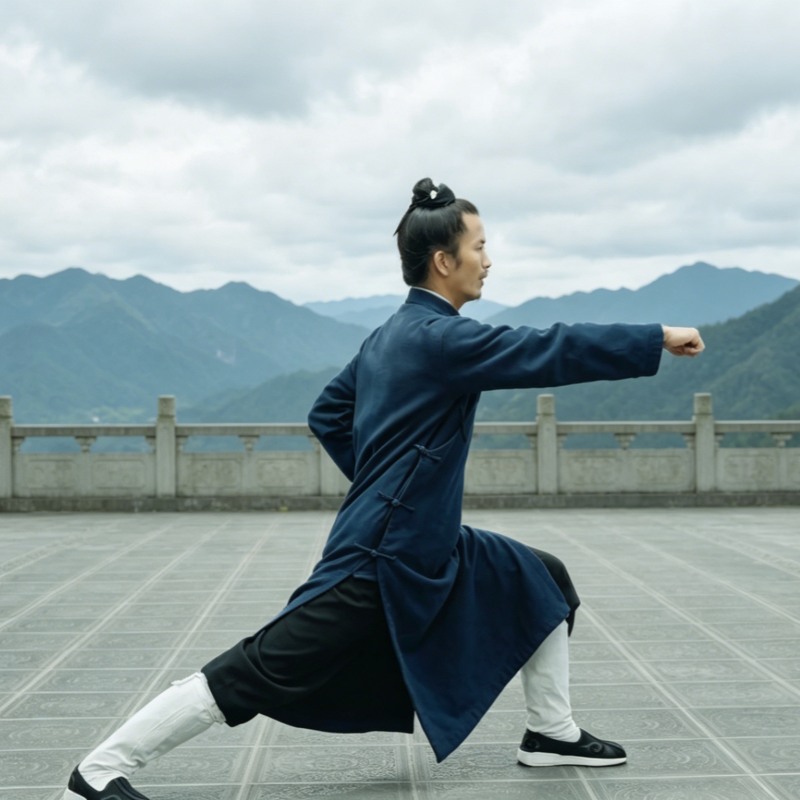
Explore more from Wellness Course, selected from the same collection.
Nora –
I’ve tried quite a few ways to improve my physical wellbeing, but this Tai Chi course is by far the most satisfying one. No high-intensity workouts or special equipment are required—just follow the instructor’s guidance for a daily practice session. Gradually, I’ve noticed a remarkable boost in my body flexibility, and my daily movements have become much more agile. It’s truly a great course that you can stick to in the long run.
Vicky –
I used to try high-intensity workouts, but they ended up hurting my knees. This Tai Chi class, however, is gentle yet effective. After each session, I feel my qi and blood flowing smoothly. Sticking with it has really strengthened my overall physical health. Truly recommend it!
Chloe –
Great Tai Chi course! The instructor is very professional, and the lessons are clear and easy to follow. After practicing regularly, I can already feel the benefits. Highly recommended!
Cameron –
Excellent course! The videos are well explained, and the instructor is knowledgeable and easy to follow. I’ve seen real improvements since I started practicing. Five stars!