Purchase grants lifetime viewing access.
🧱Introduction to the Foundation-Building Practice Course | Solidifying the Base, Cultivating Vitality—Laying the Foundation for a Towering Structure
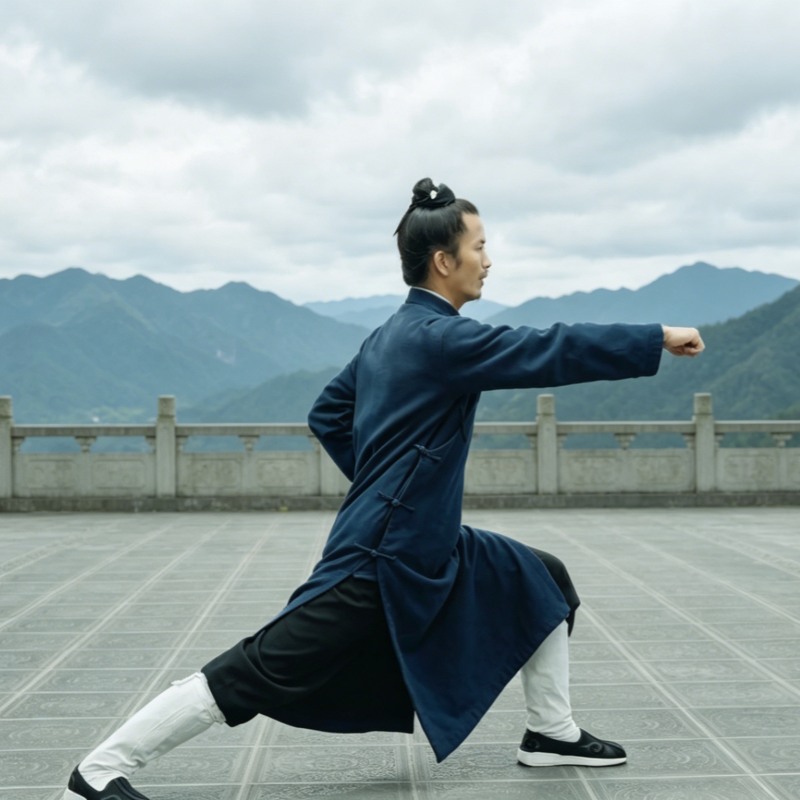
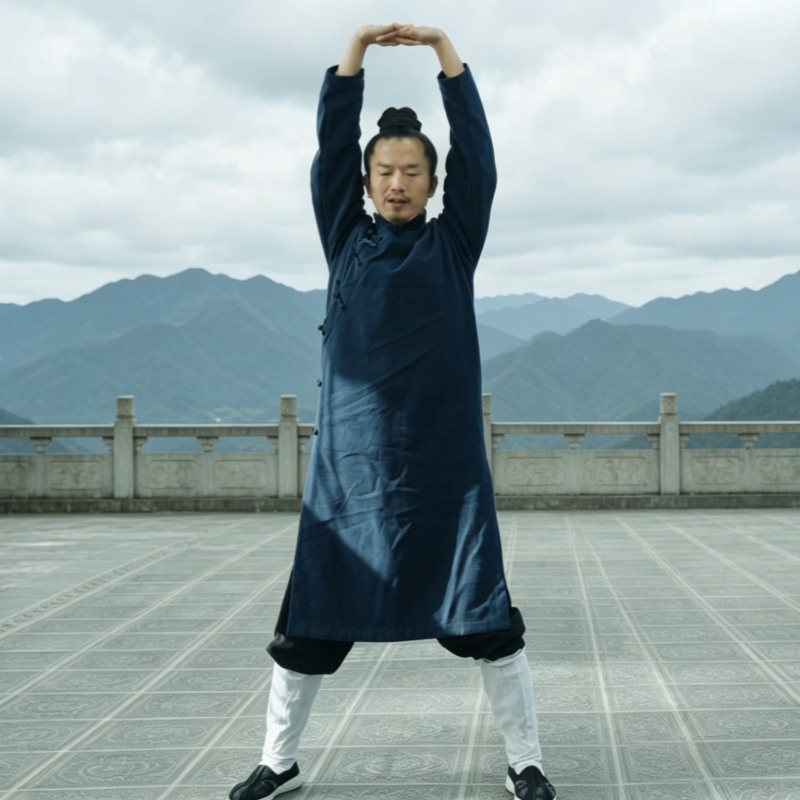
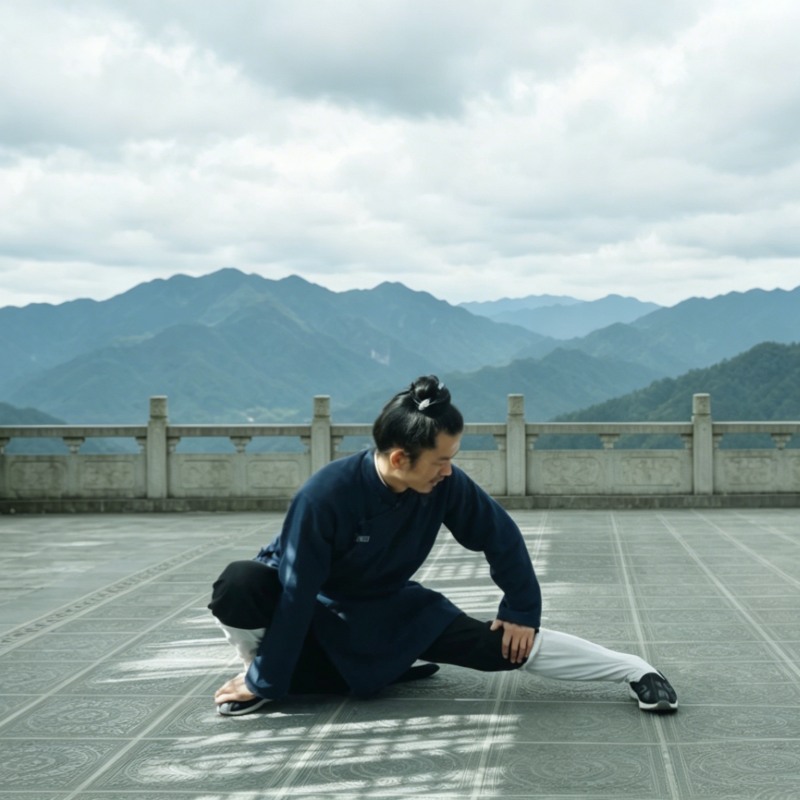
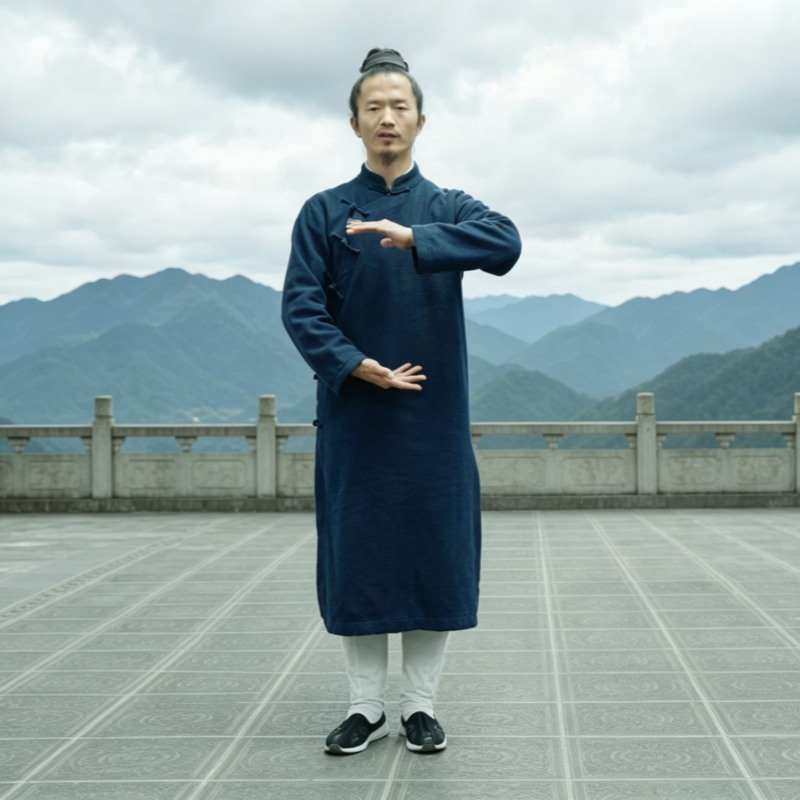
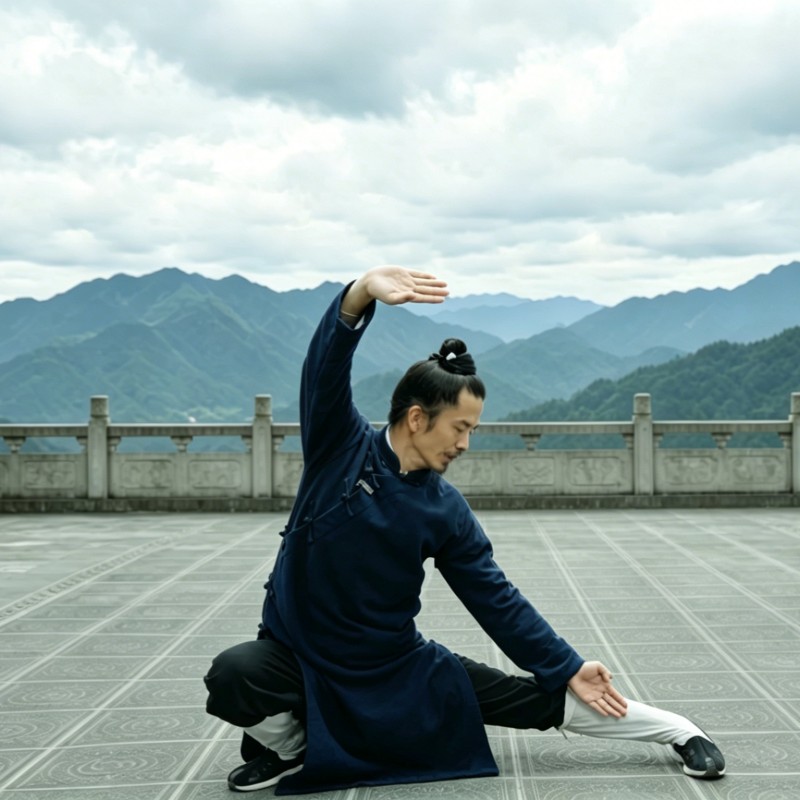
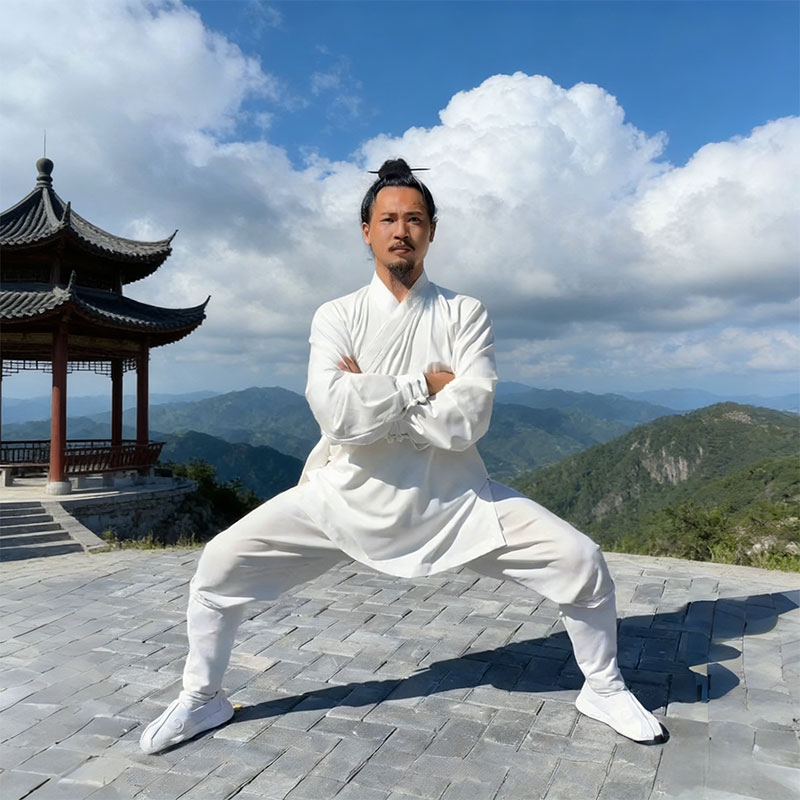
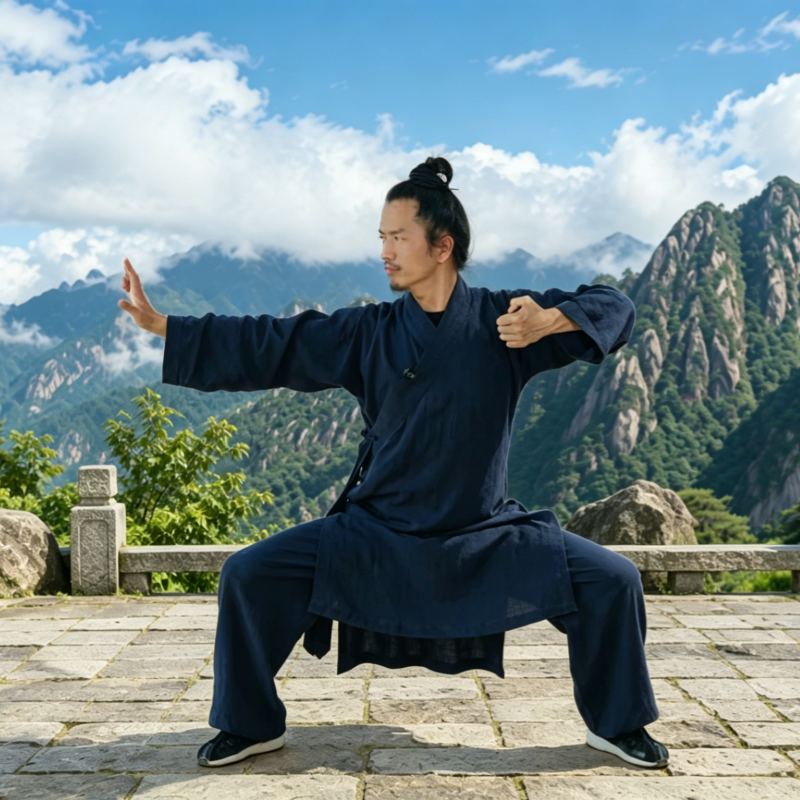
As the name implies, Zhu Ji Gong—or “Foundation-Building Practice”—aims to establish a solid foundation for both body and mind. It serves as the core introductory practice for traditional internal martial arts and Qigong. Rather than emphasizing flashy movements, Zhu Ji Gong employs simple, repetitive, and subtle exercises to align the body’s structural force lines and activate internal energy, thereby laying a firm groundwork for subsequent advanced studies (such as Taijiquan) or for maintaining daily health and vitality.
Course Content Includes:
Detailed Explanations of Basic Practice Techniques — 4 Videos
- Detailed Tutorial — 4 Videos
- Detailed Explanations and Movement Breakdowns
- Chinese and English Subtitles, English Voiceover
Who is this product designed for?
This course is suitable for a broad audience; whether you are a newcomer to wellness practices or an experienced practitioner, you are welcome to join—provided you have a desire to improve your physical health and harmonize your mind and body. It is particularly well-suited for the following groups:
- Individuals with a Weak Constitution:
Those who frequently feel fatigued or weak, are prone to catching colds, suffer from insufficient *Qi* and blood circulation, have cold hands and feet, or possess a dull complexion; they seek gentle forms of exercise to strengthen their constitution and improve their overall physical condition.
- Sedentary Office Workers:
Those who spend long hours working at a desk and lack physical exercise, often experiencing symptoms such as stiff shoulders and neck, lower back pain, stagnant *Qi* and blood flow, and low energy levels; they require simple, accessible exercises to alleviate these discomforts.
- Beginners in Health & Wellness:
Individuals interested in traditional wellness practices and regulating their *Qi* and blood, but who lack a systematic foundation; they wish to start with fundamental exercises to build scientific, sustainable health habits.
- Those Under High Stress:
Individuals suffering from chronic anxiety, irritability, or insomnia; they seek specific exercises to regulate their emotions, relieve stress, improve sleep quality, and achieve a state of complete physical and mental relaxation.
- Fitness Enthusiasts / Advanced Practitioners:
Those wishing to lay a solid foundation for advanced disciplines—such as martial arts, Tai Chi, or Yoga—who utilize fundamental exercises to harmonize their breathing, stabilize their posture, enhance training effectiveness, and prevent sports-related injuries.
- Middle-Aged and Elderly Individuals:
Those experiencing a gradual decline in physical function who wish to use gentle, safe exercises to slow down the aging process, unblock meridians, and alleviate issues such as joint discomfort and insufficient *Qi* and blood circulation.
What Benefits Will You Gain?
1.1. Physical Well-being:
- Unblock meridians and promote the circulation of *Qi* (vital energy) and blood, thereby alleviating discomfort caused by prolonged sitting—such as soreness and stiffness in the shoulders, neck, lower back, and upper back.
- Enhance internal organ function and boost immunity, helping to alleviate health issues such as susceptibility to colds and chronic fatigue.
- Improve symptoms such as cold hands and feet and a dull complexion, leaving the body feeling lighter, more at ease, and revitalized.
- Stabilize posture and enhance physical coordination and flexibility, thereby laying a solid foundation for future exercise or wellness practices.
2.On a Psychological and Emotional Level:
- Regulate emotions; alleviate negative feelings such as anxiety and irritability; and reduce mental stress.
- Enhance concentration and memory; resolve issues related to low spirits and a lack of focus.
- Help resolve sleep disorders (such as insomnia and excessive dreaming), promoting higher-quality sleep and ensuring you wake up feeling refreshed and energetic.
3.In Terms of Habits and Lifestyle:
- Master a set of simple yet practical health exercises that can be practiced consistently over the long term, thereby cultivating a regular exercise habit.
- Acquire foundational knowledge regarding the cultivation of *Qi*, blood, and meridians, learning how to scientifically regulate your body rather than blindly following fleeting health trends.
- Cultivate an awareness of the unity between body and mind, learning to tune in to your own physiological and psychological states to achieve effective self-regulation.
Benefits of Practicing Basic Qigong Exercises:
1.Adjusting and Correcting Body Posture
- Zhujigong (Foundation-Building Qigong) places great emphasis on adjusting body alignment, requiring practitioners to maintain an upright, comfortable, relaxed, and natural standing posture.
- Strengthening Core Muscles: Maintaining specific postures requires engaging deep muscle groups; consistent, long-term practice can significantly enhance the strength and stability of the lower back, abdomen, and lower limbs.
- Enhancing Coordination: The movements involved in this practice require the upper and lower body to move in harmony—coordinating both external movements and internal energy flow—thereby helping to improve overall physical coordination.
2. Harmonizing Breath and Promoting the Circulation of *Qi* and Blood
- Improving Respiratory Function:Deep, slow abdominal breathing increases lung capacity and improves the efficiency of gas exchange, resulting in smoother and more robust breathing.
- Promoting *Qi* and Blood Circulation: Guided movements synchronized with the breath effectively stimulate the circulation of *Qi* (vital energy) and blood throughout the body, alleviating issues such as cold hands and feet or a dull complexion, and leaving one feeling full of vitality.
- Unblocking Meridians: Long-term practice helps to unblock the body’s meridians, relieving physical pain, stiffness, and other discomforts caused by the stagnation of *Qi* and blood.
3. Massaging Internal Organs and Consolidating Vital Essence
- Enhancing Organ Function:Specifically, through targeted movements involving the waist and abdomen, this practice effectively regulates internal organs—such as the kidneys, spleen, and stomach—thereby enhancing their physiological functions. For instance, numerous studies have indicated that this practice is particularly beneficial for improving kidney function.
- Improving Metabolism: Enhancing the function of internal organs assists the body in eliminating waste products, thereby boosting metabolic efficiency.
4. Calming the Mind and Balancing Emotions
- Calming Emotions and Clearing the Mind:During practice, one must focus attention on the movements and breathing; this helps to dispel distracting thoughts, allowing a restless mind to gradually settle down, thereby alleviating anxiety and stress.
- Improving Sleep Quality: Physical and mental relaxation helps to regulate the nervous system, playing a positive role in resolving issues such as insomnia and excessive dreaming.
- Enhancing Concentration: Engaging in long-term training to regulate one’s mental focus can significantly improve the intensity and stability of one’s attention span.
Precautions for Zhu’ji Gong Practice:
Although the foundational training movements are gentle and safe, to ensure effectiveness and avoid physical discomfort, please observe the following points and strictly adhere to sound training principles:
1.Practice Environment:
- Choose a location for practice that is quiet, well-ventilated, and softly lit. Avoid practicing in noisy, damp, or cold environments.
- Wear loose, comfortable clothing while practicing, and remove any items that restrict body movement—such as jewelry or belts—to ensure your physical activity remains unhindered.
2. Practice Timing:
- It is recommended to practice at a fixed time each day; 15 to 30 minutes per session is sufficient, so there is no need to sacrifice quality in pursuit of longer duration.
- Do not practice within one hour after a meal, so as to avoid interfering with digestion.
- Gentle movements may be performed within one hour before bedtime to aid sleep, but avoid any strenuous physical activity during this time.
3. Physical Condition:
- Before practicing, ensure that you are free of any physical discomfort. If you experience acute symptoms—such as a cold, fever, abdominal pain, or diarrhea—or if you are currently menstruating, pregnant, or in a post-operative recovery phase, you must suspend practice until your body has fully recovered; only then may you gradually resume training.
- If you experience any discomfort during practice—such as dizziness, palpitations, or fatigue—stop immediately and rest; never force yourself to continue practicing.
4.Mental Approach:
- Maintain a calm and focused mindset while practicing; clear your mind of distractions and avoid being overly eager for quick results.
- The foundational exercises (*Shou Jin Gong*) emphasize a “gradual and progressive” approach; do not become fixated on achieving perfect postures right from the start.
- Instead, prioritize relaxation and natural movement, and gradually refine your technique over time.
- Avoid using excessive force or becoming overly preoccupied with short-term outcomes.
5.Other Considerations:
- During your training period, it is essential to avoid staying up late, overexertion, and overeating.
- Limit your intake of raw, cold, spicy, or stimulating foods.
- By integrating your practice with healthy lifestyle habits, you will further promote the harmonious circulation of *Qi* and blood within your body.
- Minors wishing to practice must do so under adult supervision; they should reduce the range of their movements and avoid excessive stretching.
Serve
- Once your payment is successful, a PDF file will automatically open or download. This file contains your exclusive access link to the course. Simply click or copy the link to start learning immediately—anytime, anywhere, and at your own pace.
- Have any questions regarding payment or the course? Don’t worry! Please feel free to contact us via WhatsApp or email—we are here to assist you.